January marks International Quality of Life Month, a global initiative dedicated to a simple yet profound goal: improving the physical, mental, and emotional well-being of people everywhere. While many use the start of the year for resolutions, Quality of Life Month encourages a deeper reflection on how to improve the quality of our lives and feel better while safely navigating a complex world.
At its core, quality of life is defined by a sense of comfort, happiness, and the ability to function at your highest potential. This includes everything from maintaining healthy habits and nurturing relationships to ensuring financial and physical security. However, one of the most significant—and often overlooked—factors in preserving our quality of life is health security.
The Power of Preparedness in Improving the Quality of Life
International Quality of Life Month highlights several key areas where small changes can lead to big improvements:
- Physical Health: Moving your body, staying hydrated, and focusing on nutrition.
- Mental Well-being: Practicing self-care, setting boundaries, and disconnecting from digital stress.
- Peace of Mind: Knowing that you and your loved ones are protected against the unexpected.
When we feel safe and prepared, our overall experience of life improves. We are more likely to travel, explore new hobbies, and engage with our communities when the what-ifs of life are managed. This is where tools like the World Medical Card help improve quality of life.
Enhancing Your Security with the World Medical Card
A major barrier to quality of life is the stress and danger associated with medical emergencies, especially when traveling or in high-pressure situations. The World Medical Card (WMC) is a 2-in-1 solution—a physical medical ID card and a secure mobile app—designed to keep your vital health information at your fingertips.
Why Joining the World Medical Card Benefits Your Life:
- Bridging the communication gap internationally between WMC members and medical professionals.
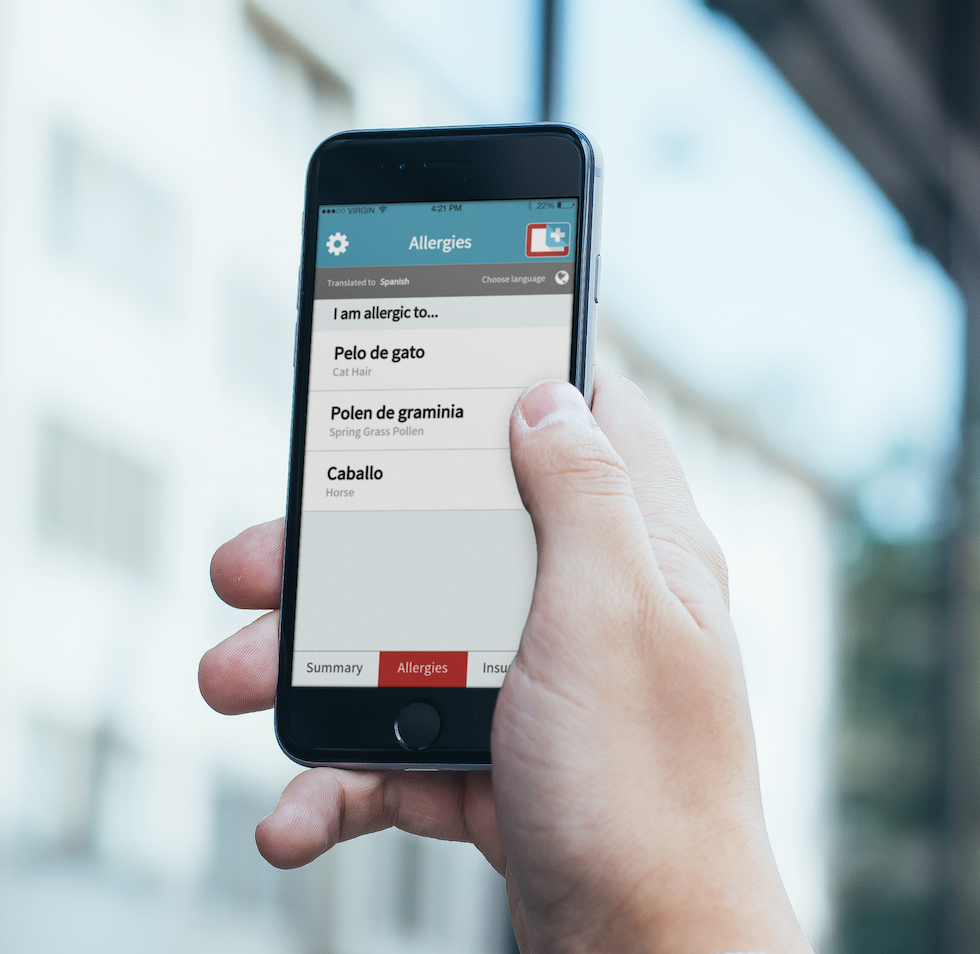
- In a medical emergency, every second counts. If you are unconscious or unable to speak the local language, the WMC app can translate your diagnoses, medications, and allergies into over 100 languages. This ensures that healthcare professionals anywhere in the world can provide accurate treatment.
- The World Medical Card uses the World Health Organization’s (WHO) global standard codes. This means your medical history is not just translated but standardised, making it instantly recognisable to doctors in New York, Paris, or Tokyo.
- One of the greatest risks in emergency care is an adverse drug reaction. By providing instant access to your allergy profile and current prescriptions, the WMC helps first responders follow the medical principle to significantly reduce the risk of treatment errors.
- Beyond just allergies, members’ WMC profiles store your entire medical journal, including:
- Surgeries and implants
- Vaccination records
- Donor status
- Emergency contacts
- Insurance details
- Quality of life is largely about the absence of unnecessary worry. Whether you are an expat living abroad, a frequent business traveler, or simply someone managing a chronic condition, the WMC offers the extra buffer of protection that allows you to live life more fully.
As we celebrate International Quality of Life Month, take a moment to evaluate your own preparedness profile. Improving your quality of life isn't just about what you do today; it's about ensuring you are protected for all the tomorrows to come.
By joining the World Medical Card, you aren't just buying a card and app; you are investing in the peace of mind that comes from knowing you are never alone in a medical crisis.